 Kenna
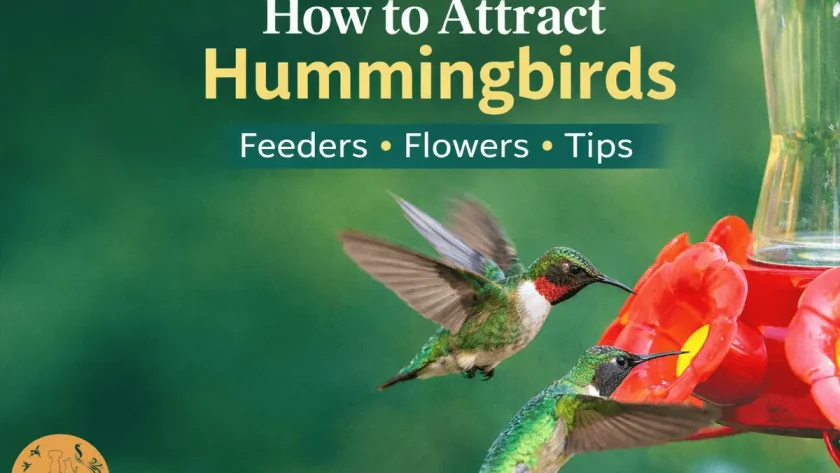
Kenna Attracting hummingbirds to your yard may seem tough, but the right approach makes it easier than you think. If you’ve wondered how to attract hummingbirds and enjoy their peaceful hover, you’re in the right place.
Whether you need to know how to attract hummingbirds to visit your garden, your feeder, or just to make your home a more bird-friendly place; this guide has all the facts, including what to use (color, plants), what to feed them on (feeders, nectar, etc.), and when it is time to do it (seasonally).
What Attracts a Hummingbird the Most?
Hummingbirds do not use smell, but sight to locate food. Their piercing eyes allow them to see bright colors and food sources in a short time.
Wear Bright Colors (Particularly Red)
The best color is red. In nature, hummingbirds prefer orange, pink and yellow, although red is the most prominent.
So as to increase the number of humming-birds:
- Flower, plant red or orange or pink.
- Use red feeders.
- Put red accents or ribbons around feeds.
These visual signals indicate a source of food around thus making one of the best ways to attract hummingbirds quickly.
Best Plants for Attracting Hummingbirds
Short on space? No problem. Flowers with nectar should be used in containers and small gardens.
Select blooms that are long, have nectar and are in bright colors.
Flowers With Nectar Hummingbirds Love
The hummingbirds are frequent feeders and use high-energy nectar. Large insects are repelled and tubular flowers are easy to feed.
Best options:
- Bee Balm
- Columbine
- Petunias
- Penstemon
Delay flowering to maintain a continuous food supply throughout the season.
Introduce Native Perennials to be Lured to Long
Plants such as Joe Pye Weed, Black eyed Susan and Chrysanthemums, which are native plants, provide nectar annually. They are native, require minimal maintenance and contribute to the ecosystem that hummingbirds depend on.
If you’re wondering how long it takes to attract hummingbirds, native plants can significantly speed up the process by providing dependable food.
Plant in Clusters to get the greatest Impact
Combine similar plants. The colorful groups can be more readily observed by the hummingbirds at a distance and enhance the feeding efficiency.
This clustering is a top strategy for attracting hummingbirds.
Select Plants that Help to Rest and Insects
Shrubs and trees are also significant. Large shrubs like the Alaska Cedar or local flowering shrubs will offer perching and nesting.
Small insects such as aphids and spiders that are food to the hummingbirds are promoted in the process of layered planting. To retain this source of food and lead to a healthier environment, avoid using pesticides.
How to Attract Hummingbirds to Your Feeder
Hummingbirds have among the highest metabolisms of any animal, and they need to be fed continuously. Feeders are thus excellent.
Hummingbird Nectar Recipe
Making nectar at home is simple and safe:
- Combine 1 part water with 1 part white sugar.
- Boil to dissolve sugar and to eliminate impurities.
- Allow to cool before filling up the feeder.
No honey, brown sugar or red dye – this can be poisonous to humming-birds. Plain sugar water is safest.
Where to Hang a Hummingbird Feeder
Proper placement is key when learning how to attract hummingbirds to your feeder. Hang in sight, near red, so they can be seen
- Height: 3-5 ft above the ground minimizes predation and window collisions.
- Shade: Semi shades preserve the freshness of nectar.
- Several feeders: Spacing them out decreases the territorial behavior.
Note: Clean and refill every 23 days in warm weather.
Other birds are also attracted to these steps.
When to place hummingbird feeders
Time is based on place and movement.
- Southern areas: Early March
- Northern areas: Mid to late April
A helpful tip is to hang feeders 2 weeks prior to anticipated arrival. Place feeders in the same location annually- hummingbirds recall feeding locations.
Losing Hope? Don’t Rush
Daylight begins migration, not food. Until you have not heard or seen humming-birds at least two weeks, leave your feeder up.
Hummingbirds can remain throughout the year in warmer regions such as California, Texas, and Florida. In colder areas, insert feeders at night when the temperature is below freezing and discard them in the spring.
Fun Facts to get more Hummingbirds to your side
Understanding hummingbird behavior improves your chances of success.
Extremely Fast Metabolism
Humming-birds feed every 10-15 minutes and can see more than 1,000 flowers in a day.
Powerful Wings
Wings flutter up to 80 beats per second enabling hovering and the humming noise.
Incredible Memory
They do not forget about good food and even get to know people. Stability keeps them revitalized.
Unique Flying Skills
They are able to fly forward, backwards, sideways and upwards hence any garden becomes a good home.
Rapid Heartbeat
The heart of a hummingbird can beat more than 1,200 times in one minute and this is the reason they are always hungry.
Final Thoughts on Attracting Hummingbirds
It is not only feeders or flowers that attract, it is a welcoming place, a secure, predictable environment.
To establish a trusting relationship with these small guests, plant nectar-heavy flowers, clean feeders, and use no chemicals. Your yard is a refuge with patience and care: full of flashes of color, humming, and natural happiness.
When hummingbirds choose your space, you’ll know you’ve done something special.