 Kenna
Peacocks are famous for their brilliant feathers, impressive displays, and beautiful colors. But how many types of peacocks are there, and are all those different-looking birds separate species?
There are three recognized living species of peafowl: Indian Blue Peafowl, Green Peafowl, and Congo Peafowl. Beyond these, there are many color and pattern varieties, including White, Black Shoulder, Pied, Cameo, Purple, Opal, and Spalding.
Some varieties look so different from the familiar blue peacock that they can seem like entirely different birds. However, most are color forms or breeding varieties rather than separate species.
In this guide, we’ll explore the three main species, introduce more than 15 popular peacock varieties and combinations, and explain how to recognize their differences.
How Many Types of Peacocks Are There?
There are three recognized living species of peafowl:
- Indian Blue Peafowl (Pavo cristatus)
- Green Peafowl (Pavo muticus)
- Congo Peafowl (Afropavo congensis)
However, the number of peacock varieties is much larger. Selective breeding has produced many different colors and feather patterns, particularly among Indian Blue Peafowl.
For example, White, Cameo, Purple, Peach, Opal, and Black Shoulder are names used for different color varieties and patterns. Spalding refers to hybrid ancestry involving Indian and Green Peafowl.
It’s useful to understand three terms before exploring the different types:
- Species: A distinct group of animals with its own scientific classification.
- Color or pattern variety: A bird with a particular inherited plumage color or feather pattern.
- Hybrid: An animal produced by crossing individuals from different species.
So, while people often search for different types of peacocks, not every variety represents a separate species.
The 3 Main Species of Peafowl
Let’s look at the three recognized species and what makes each one different.
1. Indian Blue Peafowl (Pavo cristatus)
The Indian Blue Peafowl is probably the most familiar type of peacock. It is the bird most people picture when they think of a peacock displaying its colorful feathers.
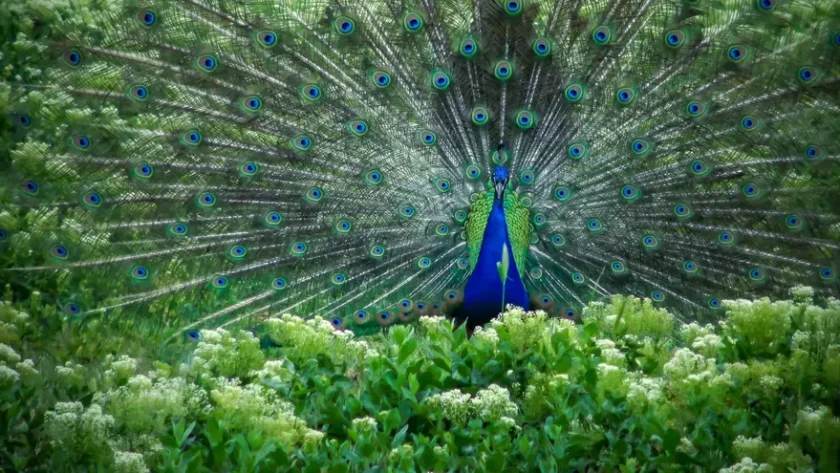
Native to the Indian subcontinent, this species is known for its bright blue neck, greenish-bronze train, and distinctive eyespot patterns.
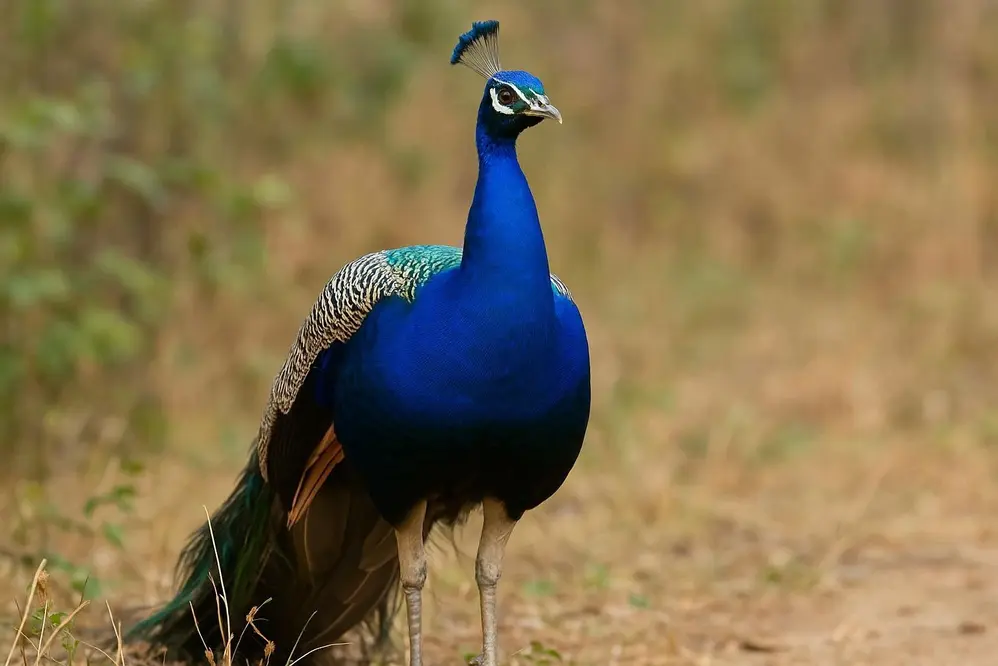
Appearance: Adult males have a brilliant blue head and neck, a small upright crest, and a long decorative train covered in colorful eyespots. Their feathers can show different shades of blue, green, and bronze depending on the light.
Females, called peahens, have more subdued brown and green plumage. They do not develop the elaborate train seen in adult males.
Habitat: Indian Blue Peafowl naturally live in India and Sri Lanka. They are found in open woodland, forest edges, scrubland, and areas near water. They have also been introduced to other parts of the world.
Interesting fact: The famous fan-shaped display is made from elongated upper-tail coverts, not the bird’s actual tail feathers. The true tail helps support the display.
For more information about their appearance and identification, see the Cornell Lab of Ornithology’s Indian Peafowl guide.
2. Green Peafowl (Pavo muticus)
Green Peafowl are striking Asian birds with predominantly green plumage. Although they share some features with Indian Blue Peafowl, their overall appearance is quite different.
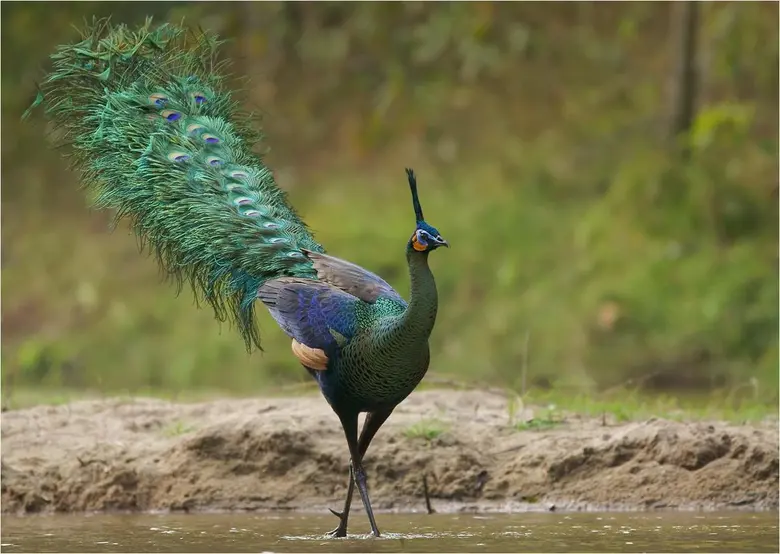
Appearance: Males have metallic green neck and breast feathers, a distinctive crest, and a long train with colorful eyespots. Their bodies are generally more slender, with relatively long legs.
Females also have green plumage, so the difference between the sexes can be less obvious than in Indian Blue Peafowl.
Habitat: Green Peafowl are native to parts of Southeast Asia, including areas of Myanmar, Thailand, Cambodia, Vietnam, and Indonesia.
Interesting fact: Green Peafowl are classified as Endangered. Habitat loss, hunting, and population decline have made conservation efforts especially important.
You can learn more about their range and conservation through Birds of the World and WWF-Cambodia.
3. Congo Peafowl (Afropavo congensis)
The Congo Peafowl is the least familiar of the three species. Unlike its Asian relatives, it comes from Central Africa and has a more understated appearance.
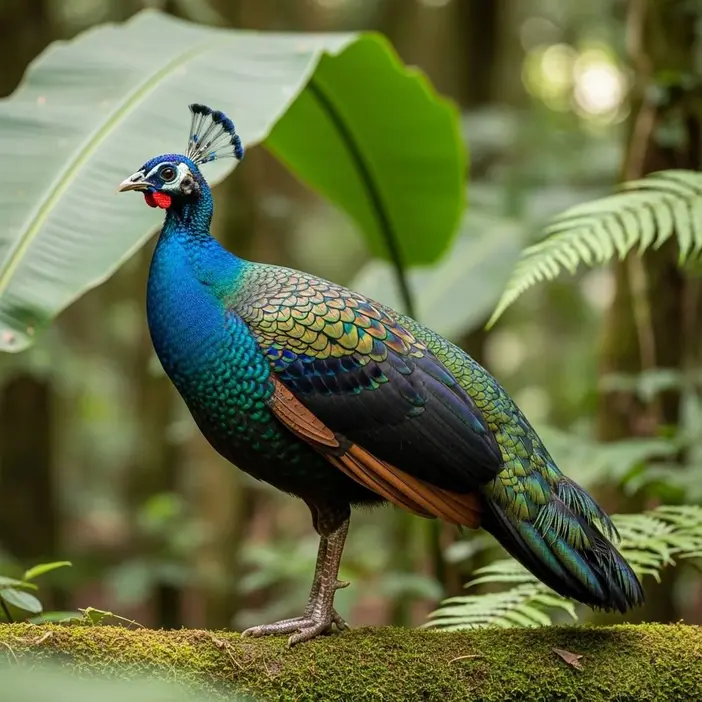
Appearance: Males have dark blue and violet plumage with greenish highlights, a distinctive crest, and a shorter tail. Females generally have chestnut-colored plumage.
Both sexes look quite different from the familiar Indian Blue Peacock.
Habitat: Congo Peafowl are native to the lowland rainforests of the Democratic Republic of the Congo. They spend much of their time on the forest floor and are often found in pairs or small groups.
Interesting fact: The Congo Peafowl was formally described as a species in 1936. It is considered threatened in the wild, with habitat disturbance and forest loss among the major concerns.
The Saint Louis Zoo’s Congo Peafowl profile provides additional information about this unusual African species.
Different Types of Peacocks by Color and Variety
Now comes the part many readers are most interested in: the different colors and patterns of peacocks.
Most named color varieties are associated with Indian Blue Peafowl and their selectively bred descendants. Some names describe the bird’s overall color, while others refer to wing patterns, white markings, or hybrid ancestry.
The United Peafowl Association maintains an extensive list of recognized peafowl varieties. The following are some of the best-known examples.
1. Indian Blue Peacock
The Indian Blue Peacock is the familiar blue variety and the natural reference point for many other peafowl colors.
Its bright blue head and neck contrast with its greenish-bronze back and long train. The eyespots on its display feathers create the beautiful fan pattern that makes this bird so recognizable.
This variety is often used as a comparison when describing other color forms.
2. White Peacock
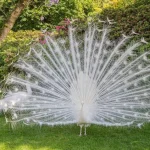
The White Peacock is one of the most recognizable unusual peafowl varieties. Its plumage is almost entirely white, including the male’s long display train.
White peafowl are generally a leucistic form of Indian Peafowl rather than a separate species. Leucism affects pigmentation in the feathers, giving the bird its pale appearance.
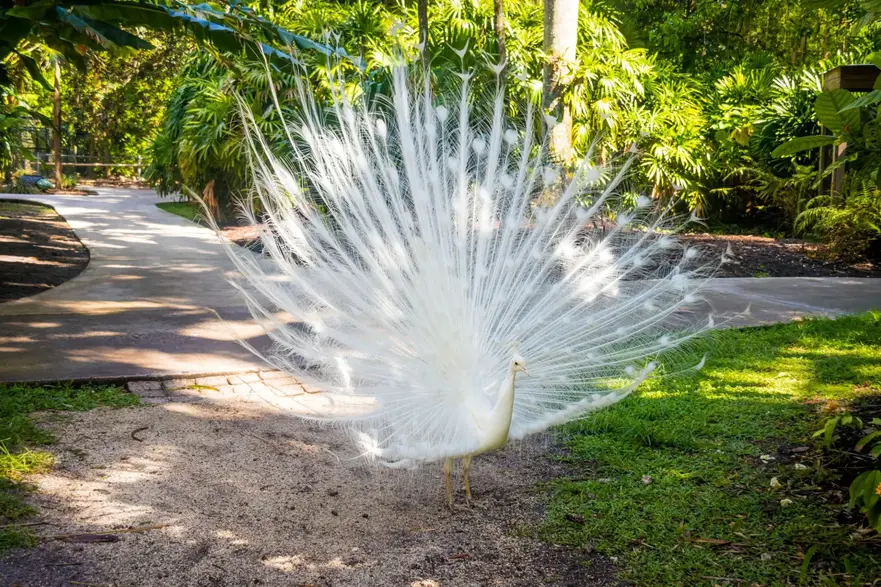
They are also not necessarily albino. The distinction matters because albinism involves a different pigmentation process.
You can read more about this variety in our detailed guide: White Peacock: How Rare Is It, Is It Albino, and How Much Does It Cost?.
3. Black Shoulder Peacock
Black Shoulder Peacocks are known for their distinctive wing coloration.
Compared with the typical barred-wing appearance of Indian Blue Peafowl, this variety has darker, more solid-looking shoulder and wing feathers.
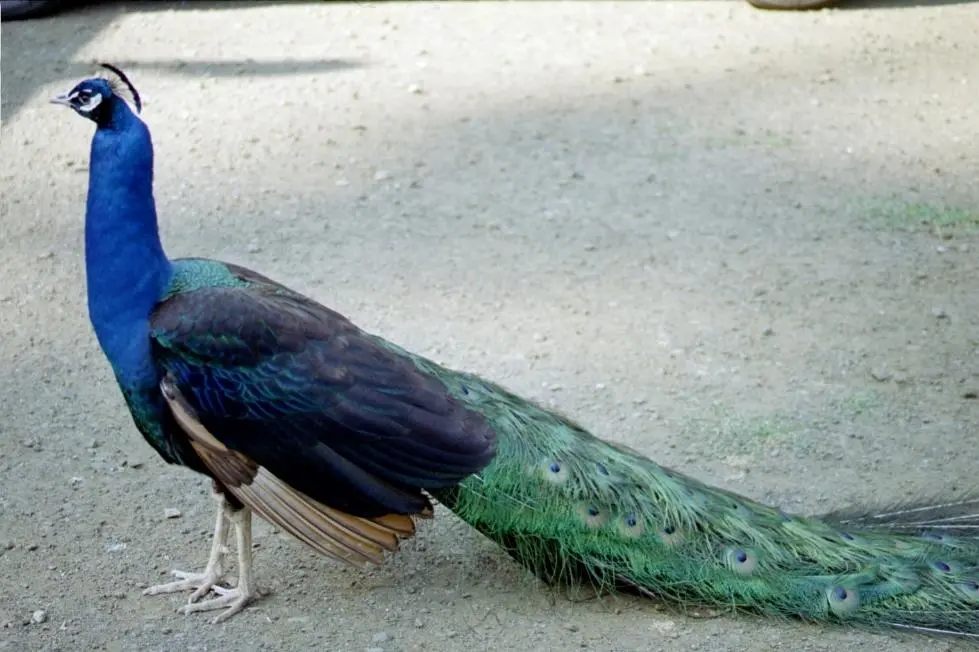
The male usually retains the familiar blue neck and colorful train. The dark wing pattern is one of the easiest features to notice.
Black Shoulder is a recognized variety in peafowl breeding classifications.
4. Pied Peacock
Pied Peacocks have a combination of white and normally colored feathers.
The amount and placement of white can vary from one bird to another. Some have large white patches across their bodies, while others show smaller scattered markings.
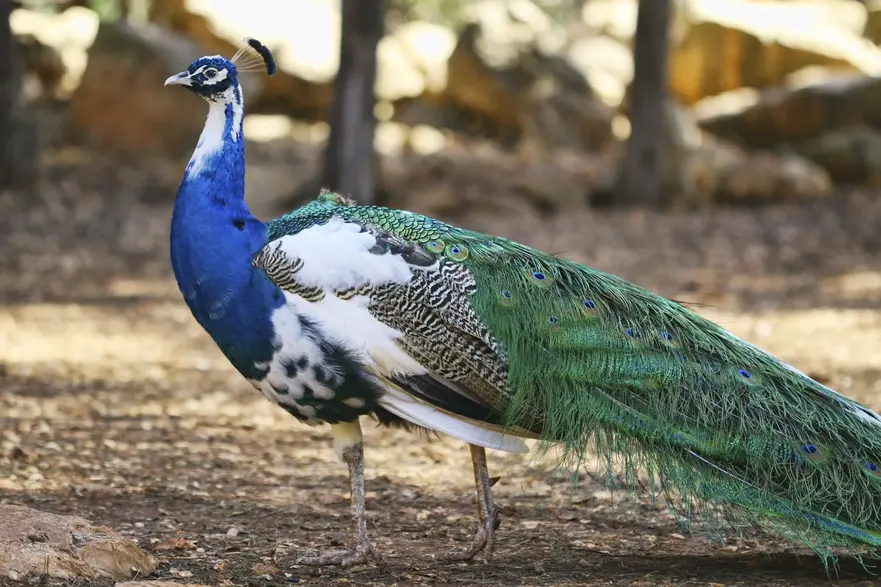
Pied describes a feather pattern rather than a separate species. It can also be combined with other color varieties.
5. Silver Pied Peacock
Silver Pied Peafowl are another attractive patterned variety.
Their appearance combines white markings with the characteristic feather patterns of the underlying color variety. The exact look depends on the bird’s genetic background.
Silver Pied is included in specialist peafowl variety classifications. It is best understood as a pattern combination rather than a separate species.
6. Cameo Peacock
Cameo Peacocks have warm brown, tan, and muted reddish tones instead of the familiar bright blue and green appearance.
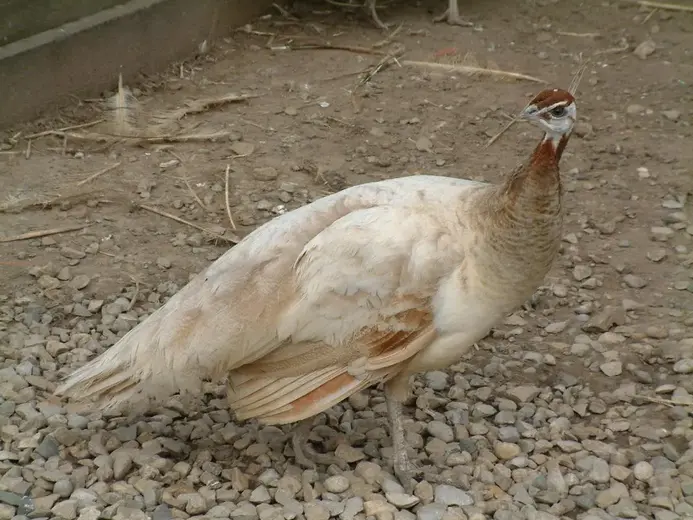
Their overall coloring is softer and more understated. Male birds can show warm brown shades across their neck, body, and train.
Cameo is a recognized color variety in peafowl breeding, and it can also occur in combinations such as Cameo Pied.
7. Purple Peacock
Purple Peacocks are admired for their deep violet and purple-blue iridescence.
Their neck and breast can show noticeable purple highlights, while their train may display a mixture of green, blue, and violet tones.
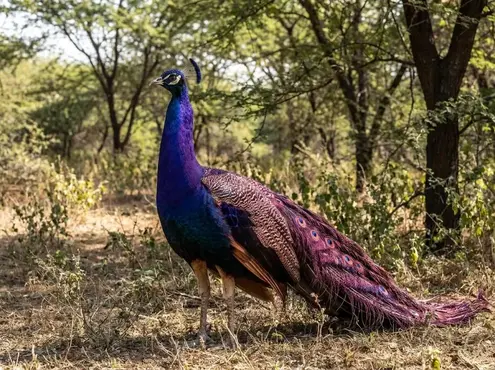
The exact appearance varies with the individual bird and lighting conditions.
Purple is a recognized peafowl color variety, not a separate species.
Want to explore this color in more detail? Read our guide to the Purple Peacock: Beauty, Appearance and Rarity.
8. Buford Bronze Peacock
The Buford Bronze Peacock is known for its warm bronze and copper-like tones.
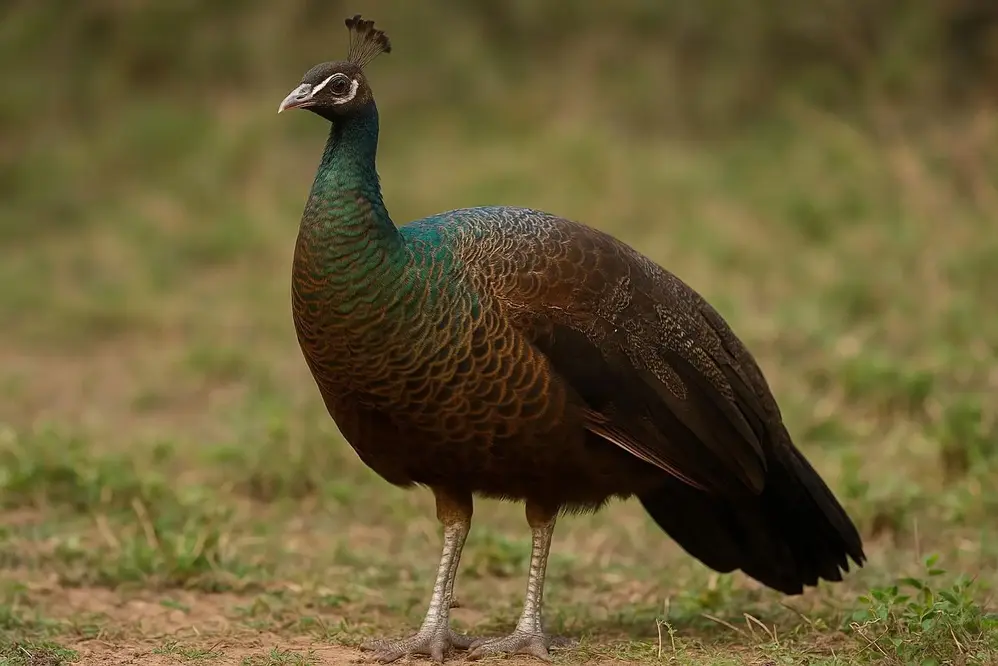
Its feathers can show a mixture of brown, bronze, and metallic shades, giving it a different appearance from the traditional Indian Blue variety.
Buford Bronze is included in the United Peafowl Association’s variety list and can occur in several pattern combinations.
9. Peach Peacock
Peach Peafowl have soft, warm-colored plumage that can range from pale peach and cream to deeper pinkish-brown shades.
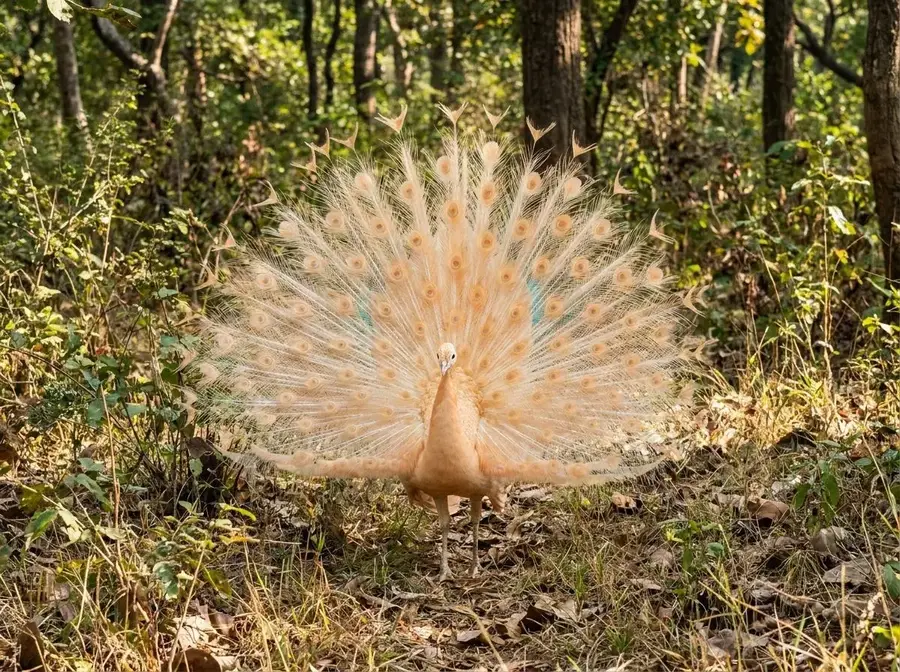
Their appearance is more delicate than the bright blue variety, making them easy to distinguish in a collection of differently colored peafowl.
Peach is also listed among recognized peafowl varieties and can be combined with Pied and other patterns.
10. Opal Peacock
Opal Peacocks are known for their softer, muted coloration.
Their feathers can show blue-gray, greenish, and metallic tones. Depending on the bird and lighting, some may appear more blue while others have a stronger green sheen.
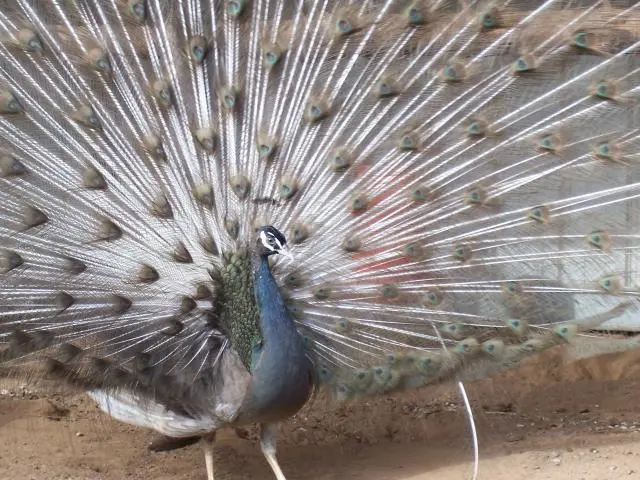
Opal is a recognized variety, with additional combinations such as Opal Pied and Opal Black Shoulder.
11. Midnight Peacock
Midnight Peacocks have a darker overall appearance than the familiar Indian Blue variety.
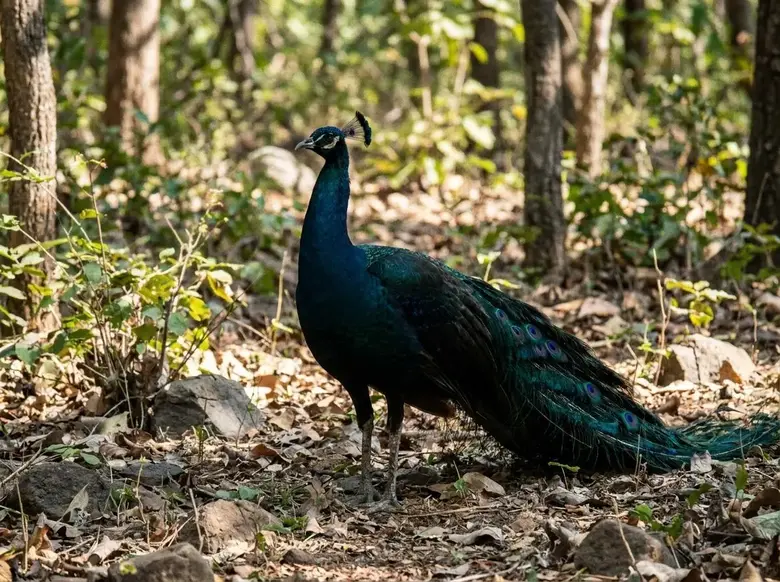
Their feathers may show deep blue, green, and almost black tones, creating a dramatic look.
Midnight is included in specialist peafowl variety classifications and can also occur with different feather patterns.
12. Jade Peacock
Jade Peacocks are associated with greenish and blue-green plumage.
Their metallic coloring can resemble the rich shades of jade, although the exact appearance varies between individual birds.
Jade is another named variety found in peafowl breeding classifications. It can also occur in combinations such as Jade Pied and Jade Black Shoulder.
13. Charcoal Peacock
Charcoal Peafowl are associated with darker, muted plumage.
Their appearance may include smoky gray, dark brown, and subdued metallic tones.
However, classification matters here. The United Peafowl Association lists Charcoal varieties as under consideration, so it is better to describe them as developing or less universally established varieties rather than universally recognized breeds.
14. Taupe Peacock
Taupe Peacocks have soft, earthy shades of grayish brown and beige.
Their coloration is less vivid than the traditional blue variety, but it gives them a distinctive appearance.
Taupe is included in the United Peafowl Association’s variety list, with several pattern combinations.
15. Spalding Peacock
Spalding Peafowl are different from the color varieties discussed above because the name refers to hybrid ancestry.
They are produced by crossing Indian Blue Peafowl (Pavo cristatus) with Green Peafowl (Pavo muticus).
Their appearance can vary depending on their ancestry. Some show more green coloration, while others retain features associated with Indian Blue Peafowl.
Spalding is therefore a hybrid classification, not a fourth naturally occurring species.
More Peafowl Color and Pattern Combinations
The varieties above are only some examples of the diversity found among captive-bred peafowl.
Other combinations include:
- Black Shoulder Pied
- Purple Black Shoulder
- Cameo Pied
- Opal Black Shoulder
- Peach Pied
- Midnight Pied
- Jade White-Eyed
- Spalding Pied
These names often combine a base color with a particular feather pattern. For example, Pied describes white markings, while Black Shoulder refers to a darker wing pattern.
For photographs and a more extensive classification, visit the United Peafowl Association’s official variety list and peafowl photo gallery.
Which Types of Peacocks Are the Rarest?
There is no universally accepted ranking of the rarest peacock varieties.
Some color combinations are less commonly available because they require particular breeding lines or inherited traits. Certain combinations of Opal, Cameo, Purple, Jade, and Pied patterns may be harder to find than the familiar Indian Blue variety.
However, rarity depends on location, breeder availability, and the number of birds being raised. A variety that is difficult to find in one country may be more readily available elsewhere.
It is also important to distinguish a rare captive-bred color variety from an endangered wild species. For example, Green Peafowl are classified as Endangered, which is a conservation status rather than simply a description of their unusual appearance.
What Is the Most Beautiful Type of Peacock?
Beauty is a matter of personal preference, and different people are drawn to different peacock colors.
The Indian Blue Peacock is admired for its brilliant neck and elaborate train. White Peacocks attract attention with their snowy plumage, while Purple, Opal, and Cameo varieties are popular for their unusual tones.
Pied Peafowl are also visually striking because of their contrasting white and colored feathers.
Rather than choosing one as the most beautiful, it is worth appreciating the variety of appearances found across the peafowl family.
What Is the Largest Species of Peacock?
The Green Peafowl is generally described as the largest of the three peafowl species by overall length, although size measurements vary between individuals and sources.
Indian Blue Peafowl are also large birds, with adult males developing particularly long ornamental trains. Congo Peafowl are smaller and have much shorter tails.
When comparing their size, it is important to distinguish body length from total length that includes the male’s decorative train.
Peacock vs. Peahen vs. Peafowl: What’s the Difference?
These terms are often used interchangeably, but they have different meanings.
| Term | Meaning |
|---|---|
| Peacock | An adult male peafowl |
| Peahen | An adult female peafowl |
| Peafowl | The collective name for both sexes |
| Peachick | A young peafowl |
Male Indian Blue Peafowl are usually more colorful and develop long decorative trains. Females generally have more subdued plumage and shorter tails.
The same male and female naming distinction applies to Green and Congo Peafowl, although their appearance differs.
How to Identify Different Types of Peacocks
If you see a peacock and want to identify its variety, start by looking at a few important features.
1. Body and neck color
The Indian Blue Peafowl has a bright blue neck, while Green Peafowl have predominantly green plumage. White and other captive color varieties show different inherited pigmentation patterns.
2. Wing patterns
Look for solid dark wing feathers, white patches, or the more typical barred pattern. These features can help distinguish Black Shoulder and Pied varieties.
3. Train appearance
Male peafowl have decorative upper-tail coverts that form the familiar train. Look at the eyespots, overall color, and feather patterns.
4. Crest and body shape
The crest, neck, and body shape can help distinguish different species, particularly Green and Congo Peafowl from Indian Blue Peafowl.
5. Species or color variety
Finally, consider whether the bird belongs to a different species or simply has a different color or pattern. A White Peacock, for example, is still an Indian Peafowl.
Frequently Asked Questions About Peacock Types
Are there really only three types of peacocks?
There are three recognized living species of peafowl: Indian Blue, Green, and Congo. However, many additional color and pattern varieties exist, especially among captive-bred Indian Blue Peafowl.
What is the rarest type of peacock?
There is no universally accepted answer. Some specialist color and pattern combinations may be difficult to find, but their availability depends on breeding populations and location.
Are white peacocks albino?
Most white Indian Peafowl are described as leucistic rather than albino. Leucism affects feather pigmentation, while albinism involves a different process affecting melanin production. Researchers have studied the genetic basis of leucistic plumage in Indian Peafowl. You can read the scientific study published in GigaScience.
Are red peacocks real?
There is no recognized red peafowl species or standard red variety in the main peafowl classifications. Some photographs and online descriptions can be misleading because of editing, lighting, or inaccurate color labels.
For more information, read our article All About Red Peacocks – Everything You Need To Know.
Can different types of peacocks breed together?
Some peafowl species can produce hybrids. Spalding Peafowl, for example, result from crosses involving Indian Blue and Green Peafowl. Different color varieties within the same species can also be bred together, producing additional color and pattern combinations.
What is the difference between a peacock and a peafowl?
A peacock is an adult male, while peafowl is the collective name for both males and females. An adult female is called a peahen, and a young bird is called a peachick.
What are the different colors of peacocks?
Commonly recognized captive varieties include White, Cameo, Purple, Peach, Opal, Buford Bronze, Midnight, Jade, and Taupe. Pied, Silver Pied, and Black Shoulder describe particular feather patterns or combinations.
Final Thoughts
Peafowl are much more diverse than their familiar blue and green appearance might suggest. There are three recognized living species, each with its own characteristics, along with many color and pattern varieties developed through inherited genetic traits and selective breeding.
From the familiar Indian Blue Peacock to White, Cameo, Purple, Opal, and Spalding varieties, each has something distinctive to offer.
Understanding the difference between species, colors, patterns, and hybrids makes it easier to identify these beautiful birds and appreciate the diversity found within the peafowl family.
Explore more bird profiles and peacock guides in our Peacocks category.