
 Darren Wills
 If your cat has wheezed or coughed, you may wonder, “Can cats have asthma?” You’re not alone. Pet owners in the U.S., U.K., Canada, and elsewhere often find out that cat asthma is real and can be serious.
The positive news is that through appropriate knowledge and veterinary treatment, numerous cats may lead healthily with asthma. This guide shows the signs, triggers, prevalence, and treatments of cat asthma, and tells you what you can safely do at home.
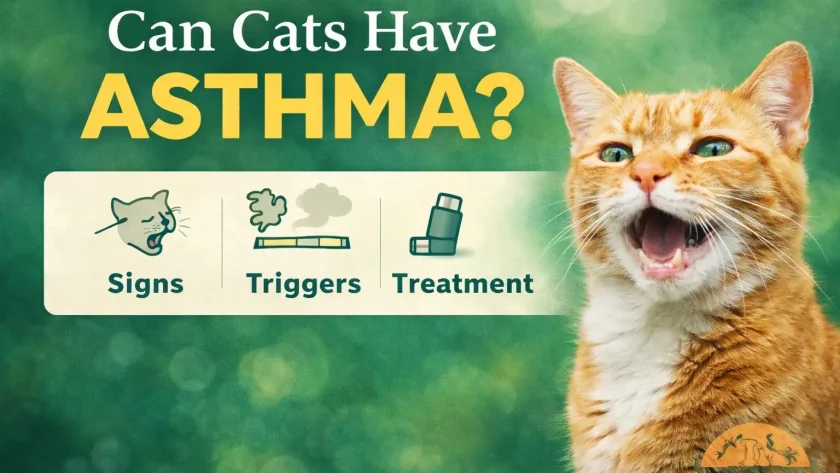
Can Cats Have Asthma?
Yes. Cats can have a condition called feline asthma. It is chronic airway inflammation of the lower airways (bronchi). The breathing is difficult due to the inflammation.
When a cat with asthma is exposed to a trigger such as dust, smoke or strong fragrances, its airways swell and narrow. Mucus elevates, and the airway muscles contract. The outcome is coughing, wheezing or asthma attacks.
How Common Is Asthma in Cats?
You may be wondering, how common is asthma in cats?
Research indicates that 1-5 percent of all cats in the world are infected. It is more prevalent among young to middle-aged cats, but it may happen at any age. Some breeds like the Siamese cats might be more predisposed.
Nevertheless, any cats, both indoor and outdoor, may develop asthma. When you are thinking about the environment of your cat, you may be interested in reading Can Domestic Cats Survive Outside? – it can affect respiratory health due to environmental exposure.
Signs of Asthma in Cats
Early identification of asthma signs can help a lot.
Common Feline Asthma Symptoms
- Chronic coughing (which is often confused with hairballs)
- Wheezing
- Rapid breathing
- Open-mouth breathing
- Lethargy
- Exercise intolerance
- Bluish gums (in severe cases)
Most pet owners at first believe that the issue is hairballs. When your cat sits low with neck stretched and no hairball, it is possible that it is experiencing asthma, not digestive issues.
Can Cats Have Asthma Attacks?
Yes. In serious instances, cats may experience asthma attacks, which include:
- Labored breathing
- Panic or restlessness
- Extreme wheezing
- Collapse (rare but serious)
Asthma attacks need critical instant check-up. If you suspect one, seek veterinary care immediately.
How Do You Know a Cat Has Asthma?
If you’re asking, “Can my cat have asthma?” – the best step is a veterinary exam. Veterinarians usually search:
- Physical examination
- Chest X-rays
- Bronchoscopy (in some cases)
- Exclusion of infections or heart disease.
What Can Be Mistaken for Cat Asthma?
A number of conditions resemble those of asthma in cats:
- Hairballs
- Heart disease
- Respiratory infections
- Lung parasites
- Allergic bronchitis
Due to the similarity of asthma symptoms to other diseases, it is necessary to diagnose it professionally.
What Triggers Asthma in Cats?
Knowledge of triggers can be used to minimize flare-ups.
Common Triggers Include:
- Cigarette smoke
- Dusty litter
- Mold
- Pollen
- Air fresheners and sprays
- Strong cleaning chemicals
- Perfumes
- Smoke from fireplaces or cooking
What Food Triggers Asthma in Cats?
Allergies to food are less frequent yet still possible. Some cats may react to:
- Artificial additives
- Certain protein sources
- Highly processed diets
Even if you’re careful about what your cat eats, you might already be looking at ingredient safety, such as in Can Cats Eat BBQ Sauce? pointing out how certain human foods can be irritating to delicate systems.
Is Cat Asthma Dangerous?
Many pet parents ask, “Is cat asthma dangerous?”
The answer: It can be — if left untreated.
Mild asthma can only result in occasional coughing. Nevertheless, uncontrolled inflammation may result in:
- Permanent airway damage
- Frequent asthma attacks
- Respiratory distress
Most cats lead normal and happy lives with proper treatment.
How to Treat Cat Asthma
Primary Veterinary Treatment
Cat asthma treatment usually includes:
- Corticosteroids – Decrease inflammation of the airways.
- Bronchodilators – Relax airway muscles
- Inhaler therapy (through feline spacer device) – usually used as long-term treatment.
Preference is on inhaled medication since it directly targets the lungs and has fewer systemic side effects.
Home Treatment for Cat Asthma
You may be wondering, How can I manage the asthma of my cat at home?
Medication should be prescribed by your vet, but you can assist your cat by:
1. Improving Air Quality
- Use HEPA air purifiers
- Avoid smoking indoors
- Switch to low-dust, unscented litter
2. Minimizing Chemical Exposure
- Avoid scented candles and sprays
- Use pet-safe cleaners
3. Weight Control
Overweight cats are at risk of increased respiratory distress.
4. Reducing Stress
Stress can worsen symptoms. Create a calm, predictable environment.
Note: Home care is not a substitute for veterinary medication. It is an aid to treatment.
Frequently Asked Questions
How can you tell if a cat has asthma versus a hairball?
Hairballs usually produce vomit with fur. Asthma episodes often involve dry coughing with a crouched posture and no hairball expelled.
Can cats have asthma even if they live indoors?
Yes. Asthma can be triggered by indoor allergens such as dust, mould, and cleaning chemicals.
Can diet cure feline asthma?
There is no special dieting that helps asthma, yet it is possible to improve the overall immune status by decreasing possible allergens and consuming high-quality food. When you are in doubt of safe treats or additions to the diet of your cat, you can consult various sources, such as Can Cats Eat Crabs to make an informed decision.
When to See a Vet Immediately
Seek urgent care if your cat:
- breathes with open mouth.
- Has blue or pale gums
- Seems to be panicked and is unable to settle
- Is struggling to breathe
Timely treatment will save the life of your cat.
Final Thoughts on Cats Asthma
So, can cats have asthma? Yes– but early diagnosis, appropriate medication, and a well-adjusted home life ensure that most asthmatic cats do well. When you have had the feeling of consistent cough and alteration of breathing, have faith in your intuitions. Make an appointment with a doctor and talk to him/her about your issue.
At Petcarestory we are here to help you with information that you can rely on and caring all the way through.
Maybe this article was helpful to you, browse through more professionally supported guides to pet health on Petcarestory – and send it to another cat parent who may be in need of it.
Your cat’s breathing matters and so does your peace of mind.


